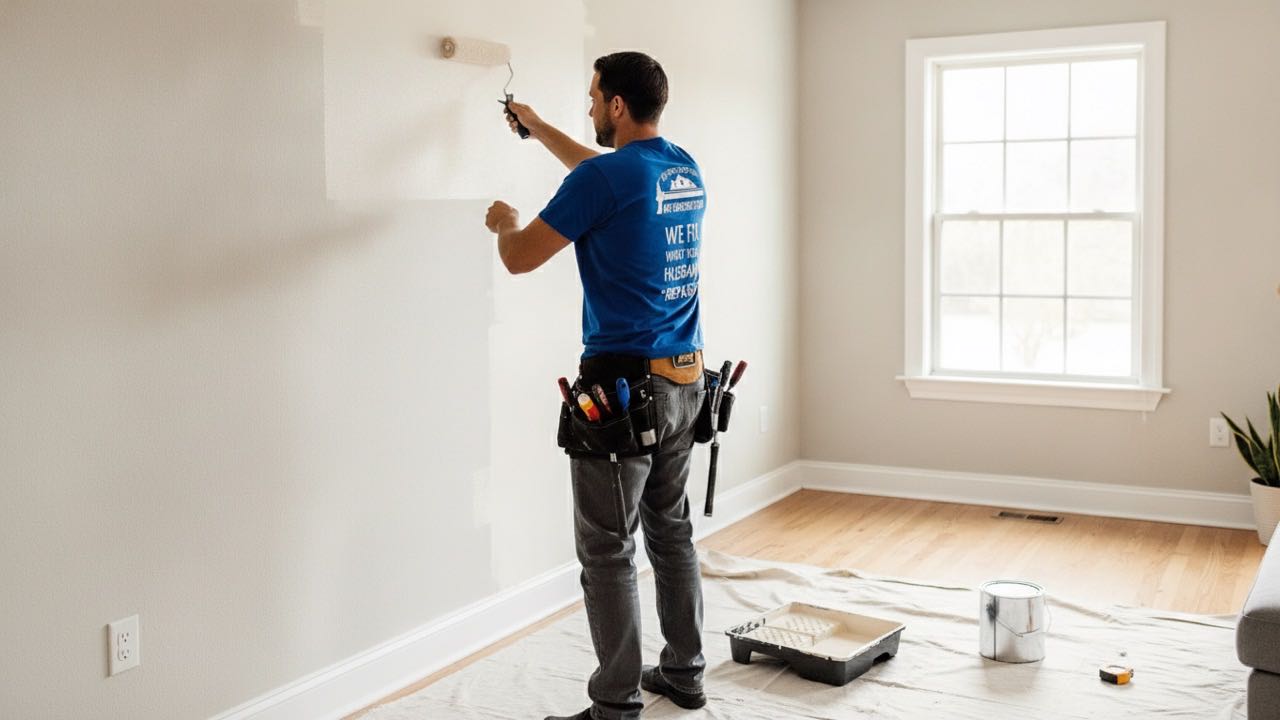
House Painting in Cedar Park, TX
Half the Cedar Park exteriors we quote need an HOA colour approval before a brush touches the house. We'd rather handle that first than repaint twice.
Most of the Cedar Park subdivisions we work in — Buttercup Creek, Twin Creeks, Walsh Ranch, Ranch at Brushy Creek — have an active HOA with an architectural review process, and exterior colour is usually part of it. The approval is rarely difficult. It's simply a step, and it has a timeline, and skipping it occasionally ends with a homeowner being asked to repaint a house they just paid to have painted.
So we build it into the front of the project rather than the middle. We'll help you assemble what the committee wants to see and we'll schedule the work against the approval rather than against optimism.
The other thing that shapes Cedar Park exteriors is the stone. Most of these homes are a stone-and-siding combination, and the stone doesn't get painted — which means the colour decision is really about what works with a masonry colour you can't change.
Choosing a Colour That Works With the Stone
The limestone and manufactured stone on Cedar Park elevations carries a lot of colour — creams, tans, greys, sometimes a mix — and it's permanent. The siding and trim colours have to sit with it.
The mistake we see most is choosing a body colour from a chip in a shop, under fluorescent light, without holding it against the stone in daylight. Texas sun is intense and it shifts how a colour reads dramatically between morning and late afternoon.
What we recommend instead costs almost nothing: get sample pots of the two or three candidates, paint decent-sized patches directly on the house next to the stone, and look at them at three different times of day before deciding. A colour that looks sophisticated at 9am can read distinctly green at 6pm against a warm limestone.
We'll do the sample boards as part of the estimate process. It adds a few days to the decision and it's the cheapest insurance available on a five-figure exterior.
Popcorn Ceilings and the Right Time to Remove Them
A significant share of the nineties Cedar Park stock still has textured popcorn ceilings, and removing them is the interior project that changes a house most per pound spent.
The sequence matters enormously. Removal is wet, messy work — the texture is soaked and scraped off, then the ceiling is skimmed, sanded and primed before it can be painted. All of that has to happen before wall painting, because scraping a ceiling above freshly painted walls means painting them again.
If your house was built before the mid-eighties, the texture should be tested for asbestos before anyone scrapes it. That's a cheap lab test and a positive result changes the approach rather than ending the project. Most Cedar Park stock postdates the concern, but we ask about build year rather than assuming.
If you're planning a full interior repaint and you have popcorn ceilings, do them together. Doing them separately means paying for the wall paint twice.
Interior Finishes That Survive a Family Home
Builders in this era used flat paint nearly everywhere, because it's cheap, it hides drywall imperfections and it covers in one coat. It also cannot be cleaned — wiping a mark off flat paint burnishes it and leaves a shiny patch that's more obvious than the mark was.
For hallways, stairwells, kids' rooms and anywhere with hands at hand height, we recommend moving up to a scrubbable matte or an eggshell. Modern matte finishes clean genuinely well while still hiding wall imperfections, which is the combination the older flat-versus-eggshell trade-off never offered.
Trim and doors want a satin or semi-gloss in an enamel that levels properly and cures hard. Builder-grade trim paint stays soft, which is why doors stick to jambs in humid weather and why the trim in a ten-year-old house is scuffed everywhere.
We'll spec by room rather than applying one finish to the whole house, and we'll explain the difference rather than just quoting a number.
What We Have Actually Quoted in Cedar Park
Across every priced estimate we have written for a Cedar Park address — 25 of them, covering all our services rather than painting alone.
These are estimates we wrote, not final invoices, and they mix small repairs in with full renovations — which is why the spread is wide. We deliberately do not publish a painting-only median for Cedar Park: the sample for a single service in a single city is too small to mean anything honest. Your number comes from a free on-site walkthrough.
Painting in Cedar Park: Common Questions
Does my Cedar Park HOA have to approve my exterior paint colour?
In most of the subdivisions we work in — Buttercup Creek, Twin Creeks, Walsh Ranch, Ranch at Brushy Creek — yes, there's an architectural review process covering exterior colour. Approval is usually straightforward but it has a timeline. We build it into the front of the project and help you put together what the committee wants to see, because repainting a house because the colour wasn't approved is an expensive way to learn the process.
How do I pick a colour that works with my stone?
Sample it on the house, not from a chip in a shop. Get sample pots of your top two or three, paint sizeable patches directly next to the stone, and look at them in morning, midday and late afternoon light. Texas sun shifts how colour reads dramatically, and a body colour that looks right indoors can read green against warm limestone at 6pm. We do sample boards as part of the estimate.
Should I remove popcorn ceilings before painting?
Yes, if you're doing them at all — do them first. Removal is wet, messy work followed by skimming, sanding and priming, and doing it above freshly painted walls means repainting those walls. If the house predates the mid-eighties the texture should be tested for asbestos first; that's an inexpensive lab test and a positive result changes the method rather than stopping the project.
What paint finish should I use in a family home?
Not the flat paint builders used. Flat can't be cleaned — wiping it burnishes the surface and leaves a shiny patch worse than the original mark. For hallways, stairwells and kids' rooms we recommend a scrubbable matte or eggshell, which cleans properly while still hiding wall imperfections. Trim and doors want a hard-curing enamel in satin or semi-gloss so they don't stay tacky and stick in humid weather.